The Complete Collection & Life Timeline
Robert Schumann
Journey through the life and masterpieces of the great Romantic poet of the piano and song. Discover the stories behind music written through bursts of extraordinary creativity and deepening personal struggle.
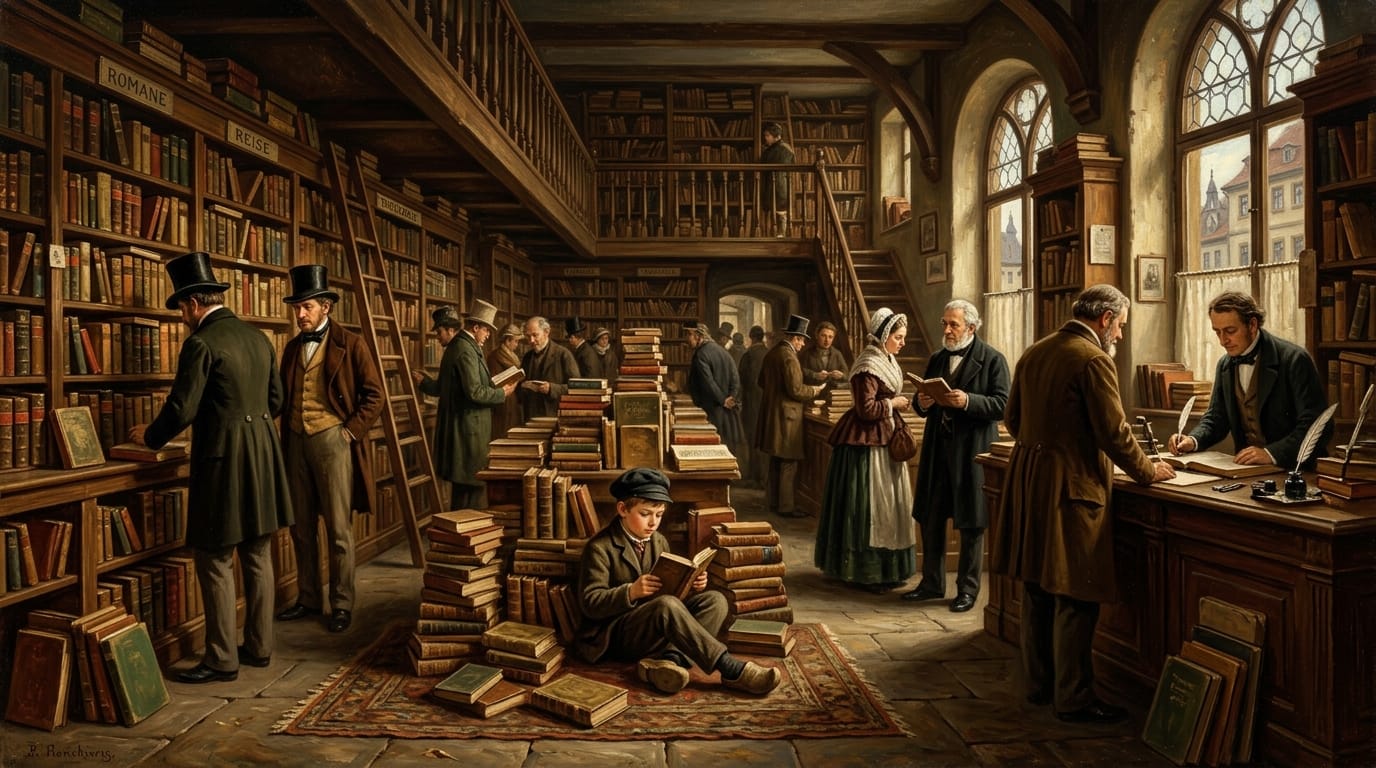
Robert Schumann was born on June 8, 1810, at Hauptmarkt 5 in Zwickau, a modest town in the Kingdom of Saxony, the youngest of five children of August Schumann, a bookseller, publisher, and novelist, and his wife Johanna Christiane. Growing up literally surrounded by his father's stock of books, Robert developed a passion for literature — especially the novels of Jean Paul — every bit as intense as his love of music, a dual devotion to words and sound that would shape his entire creative life. He began piano and organ lessons at age seven with the local organist Johann Gottfried Kuntsch, and was soon composing small pieces and even staging amateur performances at home.
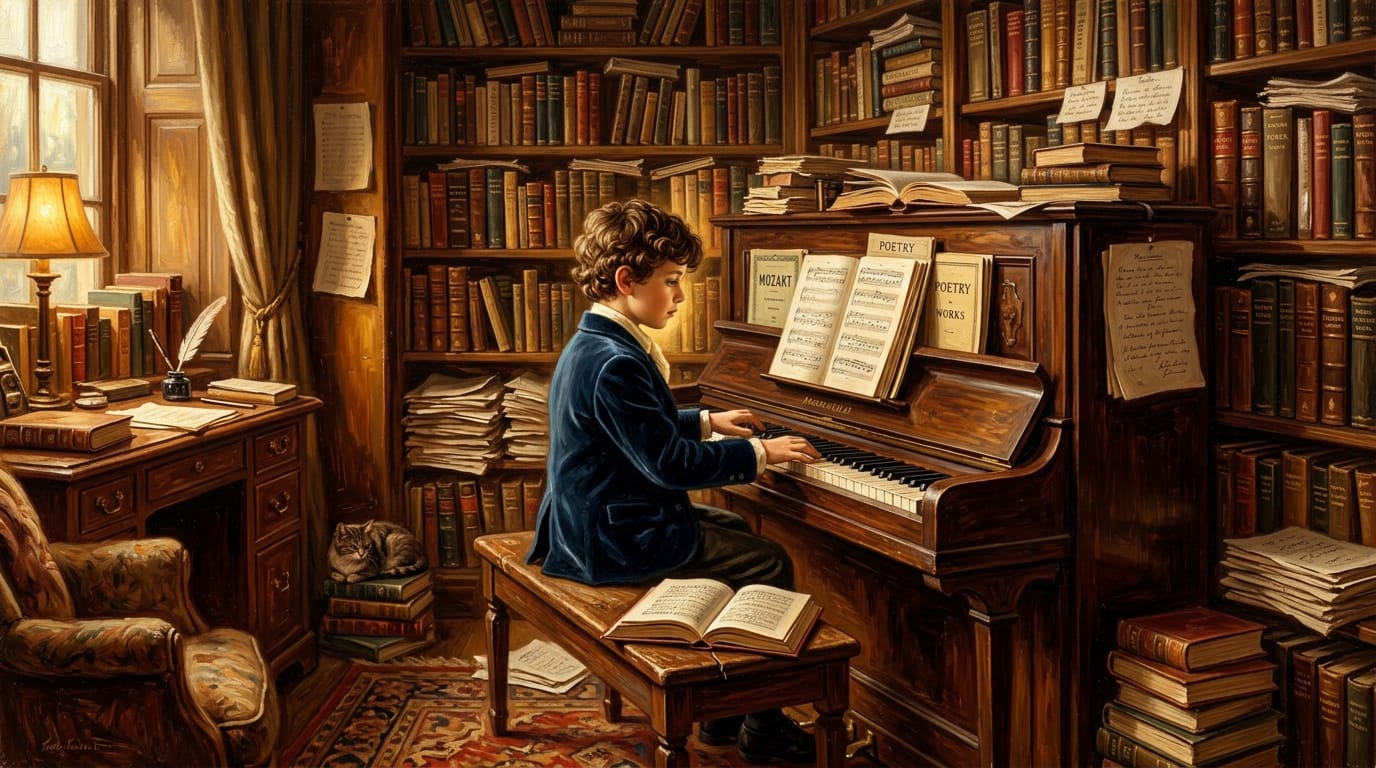
Throughout the 1820s, while attending Zwickau's Lyceum, Robert Schumann threw himself into literature as eagerly as music, devouring Jean Paul and Schiller, writing poetry, and even editing homemade literary journals with schoolmates. His childhood was shadowed by grief, however: in 1825, his sister Emilie, who had struggled for years with depression and illness, died at just twenty-nine, and the following year his father August, whose health had already been declining, died as well, leaving sixteen-year-old Robert and his mother's household deeply unsettled. Schumann was reportedly so affected by his sister's death that he could never afterward bring himself to attend a funeral, not even, decades later, his own mother's.
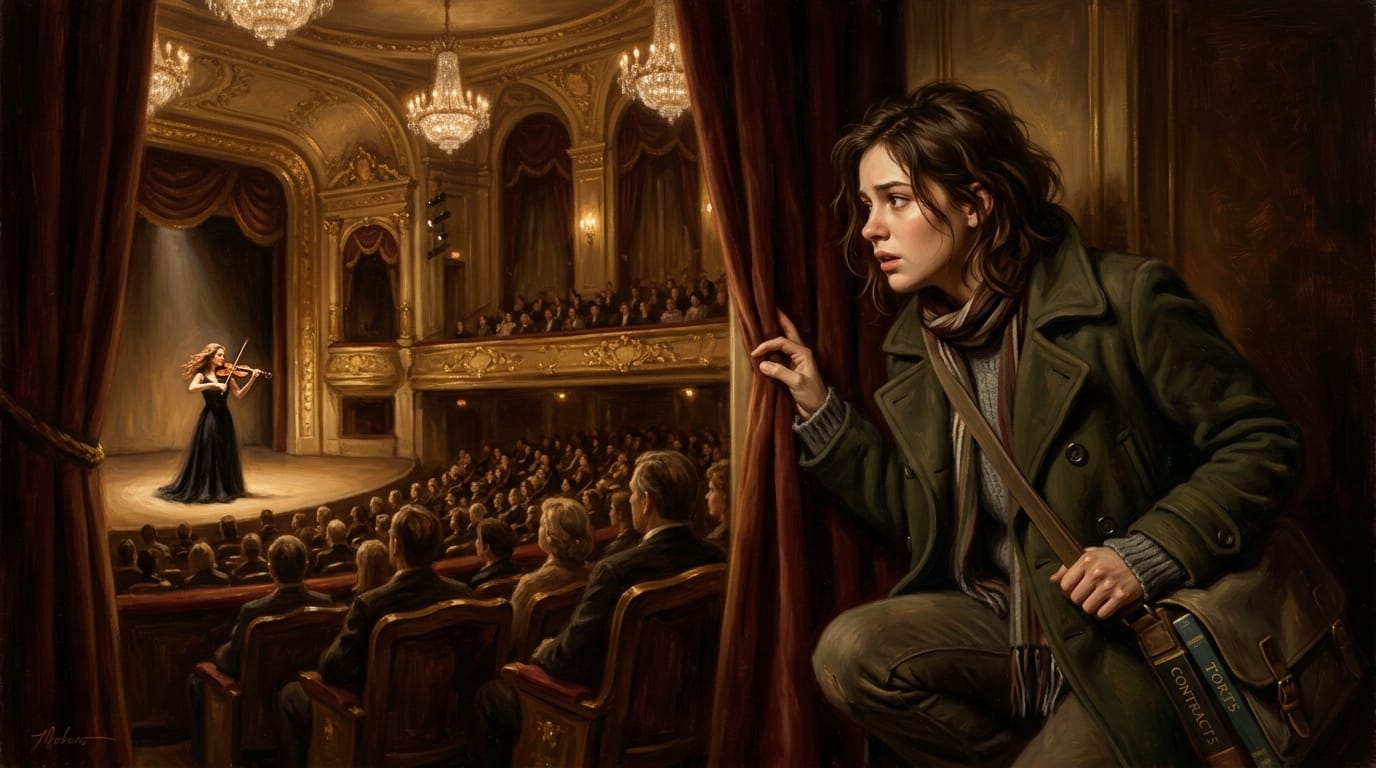
Enrolling at Leipzig University in 1828 to study law as his family expected, Robert Schumann instead spent much of his time at the piano, taking lessons from the city's leading teacher, Friedrich Wieck, and devouring the music of Franz Schubert, whose death that November reportedly moved him to tears. After a year he transferred to the University of Heidelberg, where he continued to neglect his legal studies in favor of music, and in April 1830 he was electrified by a concert given by the virtuoso violinist Niccolò Paganini in Frankfurt. That summer, in a carefully composed letter to his mother, Schumann finally declared his intention to abandon law for a career in music.
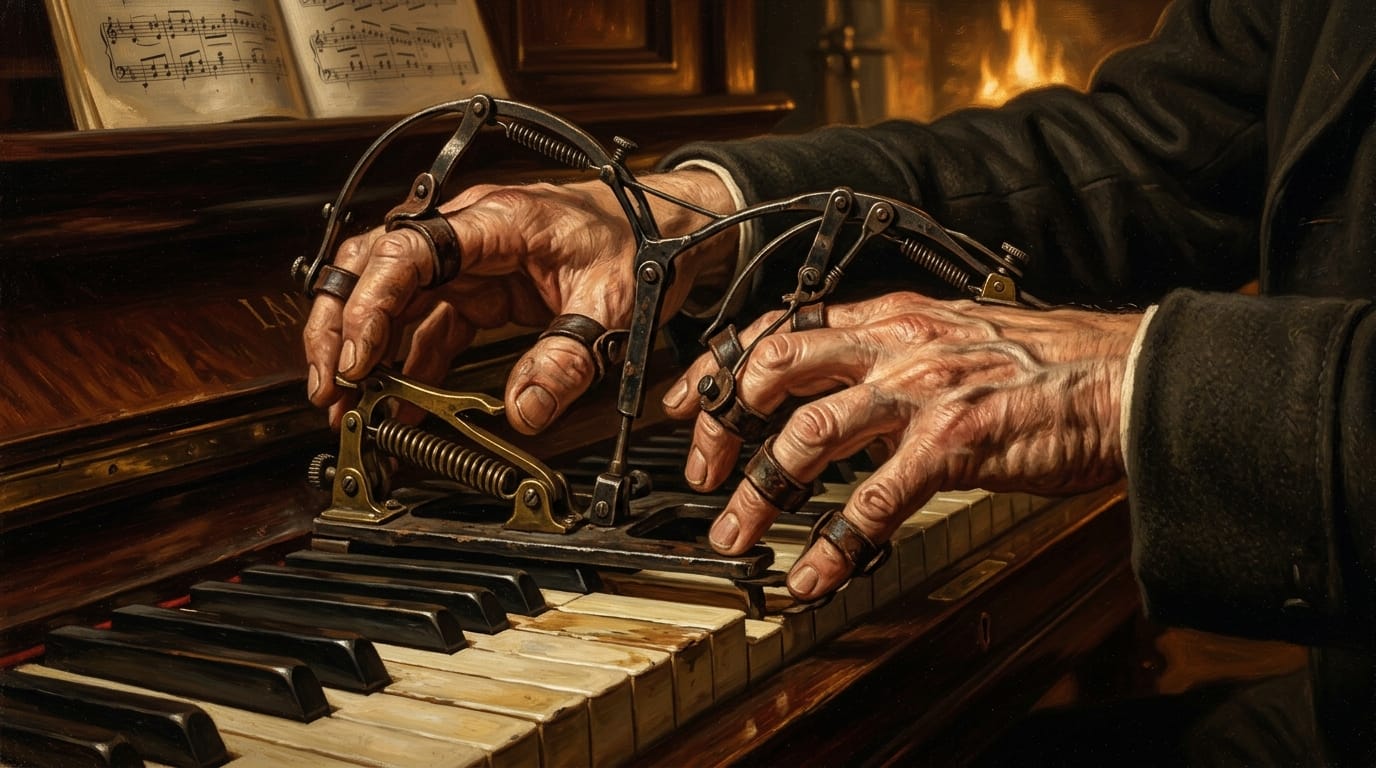
Having committed himself to music, Schumann moved into Friedrich Wieck's household in late 1830 to train intensively as a concert pianist, publishing his first work, the Variations on the Name "Abegg," Op. 1, that same year. Sometime around 1831–32, however, a weakness developed in his right hand, most likely in the middle and index fingers, that steadily worsened; Schumann himself blamed a mechanical finger-strengthening device of his own devising, though the underlying cause has never been settled and modern medical historians have proposed alternative explanations, including nerve damage or a reaction to contemporary medical treatments. Whatever its true source, the injury permanently ended any hope of a career as a touring virtuoso, and Schumann redirected his ambitions decisively toward composition instead.
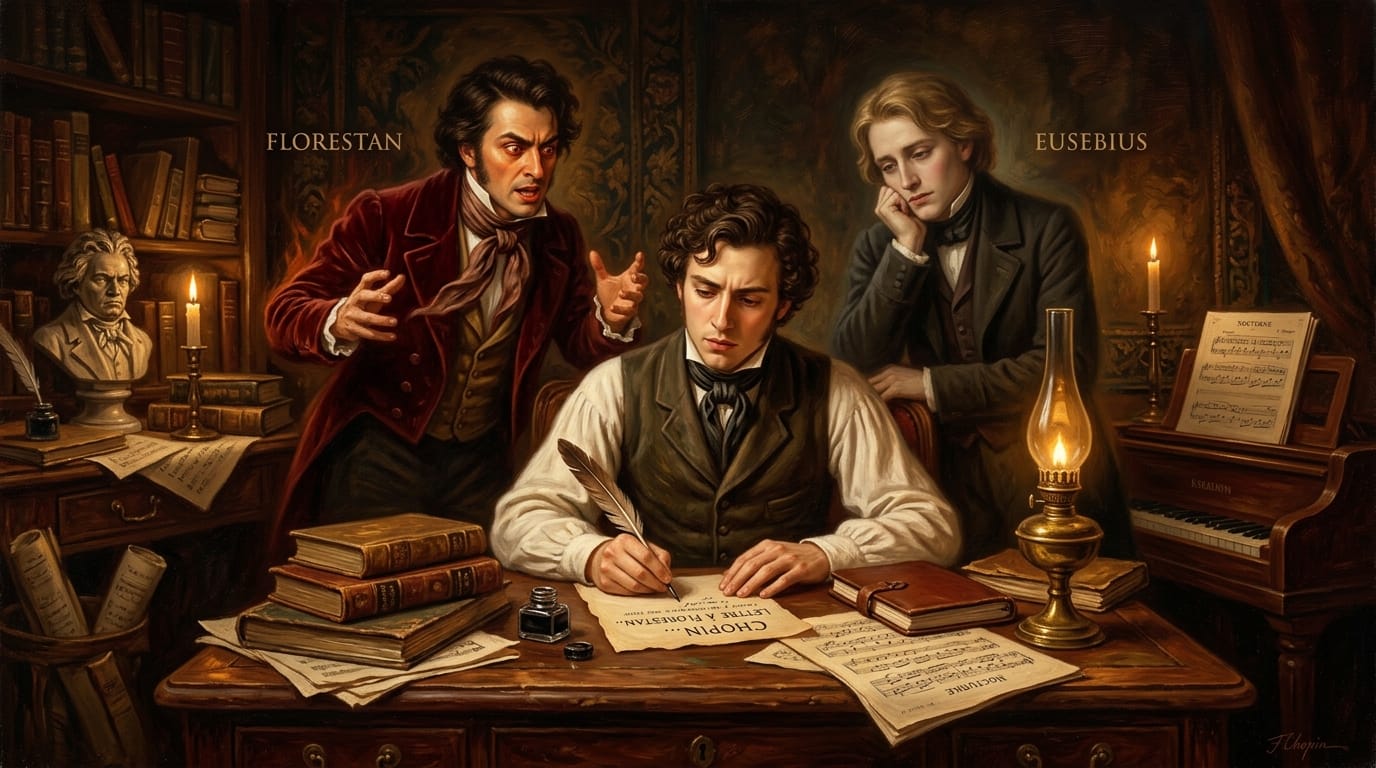
In December 1831, the twenty-one-year-old Schumann published a rapturous review in the Allgemeine musikalische Zeitung of a set of piano variations by a then-obscure Polish composer, Frédéric Chopin, built on a theme from Mozart's opera Don Giovanni. Schumann's review opened with the now-famous exclamation "Hut ab, ihr Herren, ein Genie!" ("Hats off, gentlemen, a genius!"), one of the earliest and most perceptive public recognitions of Chopin's talent, and it announced Schumann himself as a music critic of real insight and conviction, years before he had a journal of his own to write in.

In April 1834, Schumann co-founded the Neue Zeitschrift für Musik ("New Journal for Music") in Leipzig, alongside colleagues including Friedrich Wieck, and by January 1835 he had become its sole editor, a role he held for roughly a decade. Through the journal, Schumann campaigned energetically against what he saw as shallow, crowd-pleasing virtuosity and championed composers he believed represented music's true artistic future, writing much of his criticism under two invented pen names, the impulsive "Florestan" and the introspective "Eusebius," who embodied opposing sides of his own personality and frequently "argued" with one another within his reviews.
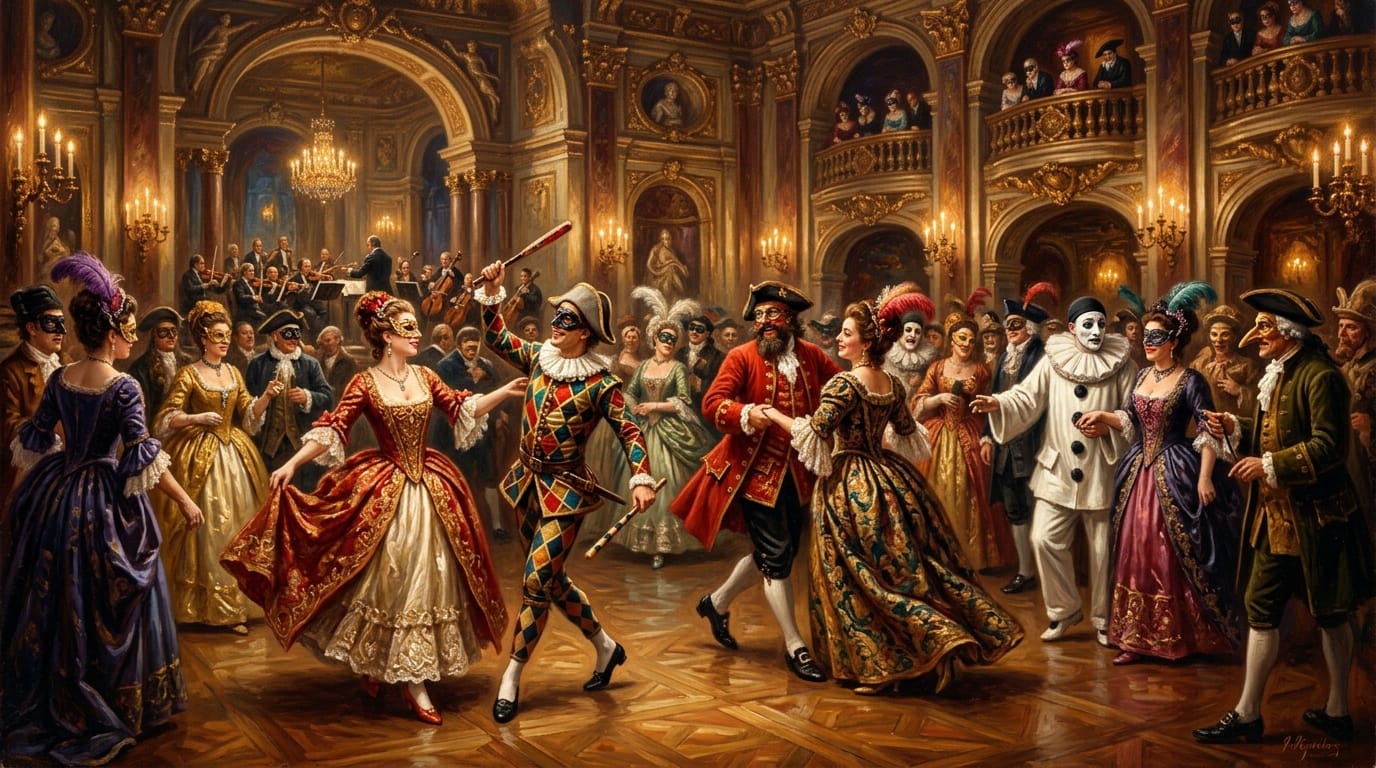
In 1834, Schumann became romantically involved with Ernestine von Fricken, a fellow piano student of Wieck's from the Bohemian town of Asch, and the two secretly became engaged. Schumann drew on the musical letters spelled by the name "Asch" — which correspond to actual notes in German musical notation — as the hidden thematic backbone of Carnaval, Op. 9, a suite of short, vividly characterized piano pieces depicting a masked ball attended by figures from commedia dell'arte, Schumann's own alter egos Florestan and Eusebius, and even a musical portrait of Chopin. The engagement to Ernestine unraveled by 1835, however, once Schumann learned she was an illegitimate child of relatively modest means, disillusionment that coincided with his growing feelings for a very different young woman: his teacher's own daughter, Clara.
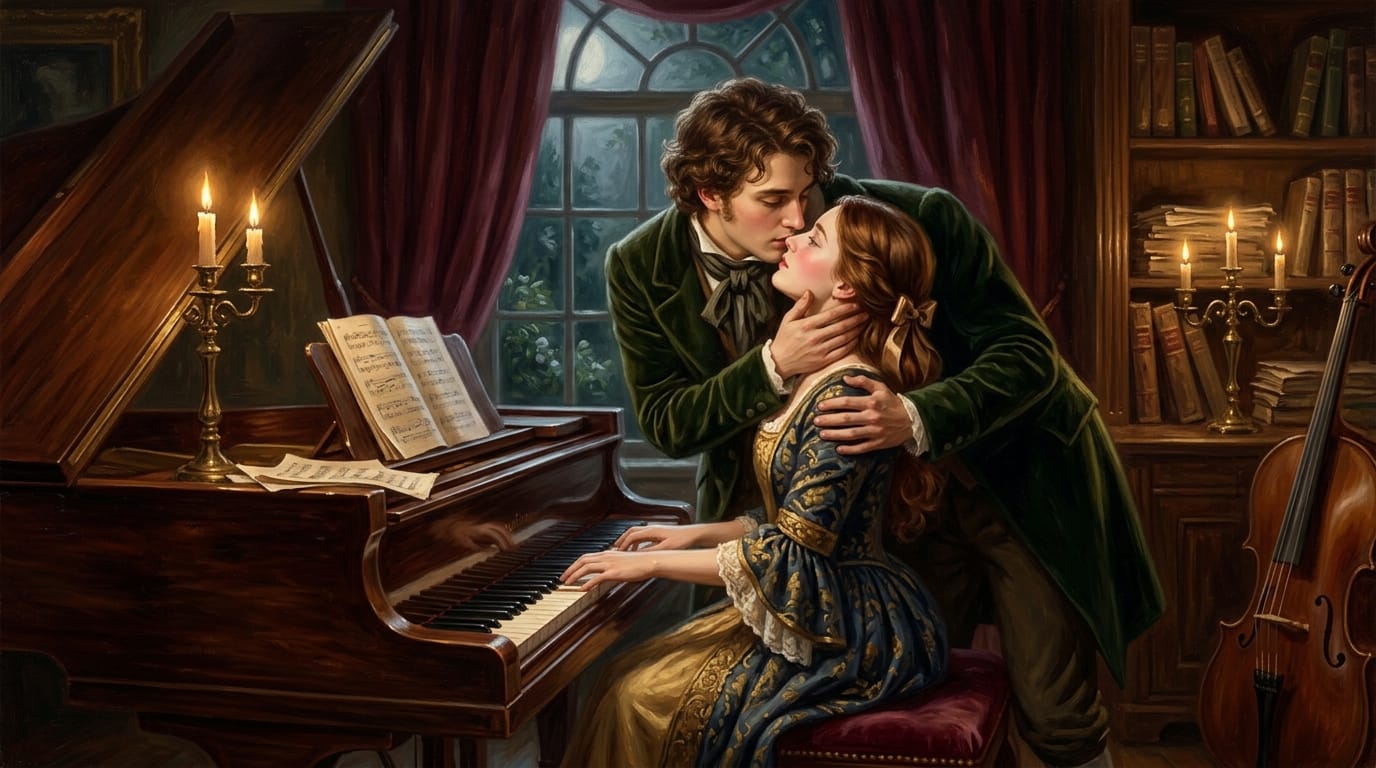
Robert Schumann had known Clara Wieck, his teacher Friedrich Wieck's remarkably gifted daughter, since she was a small child prodigy already dazzling audiences across Europe as a concert pianist. By late 1835 and into 1836, as Clara turned sixteen, the friendship between the two deepened into mutual romantic love, sealed with what Clara later remembered as their first kiss just before Schumann left on a trip. Friedrich Wieck, who had built his daughter's entire career and finances around her concert touring, reacted to the budding romance with alarm and swiftly moved to separate the couple, beginning a conflict that would consume the next several years of their lives.
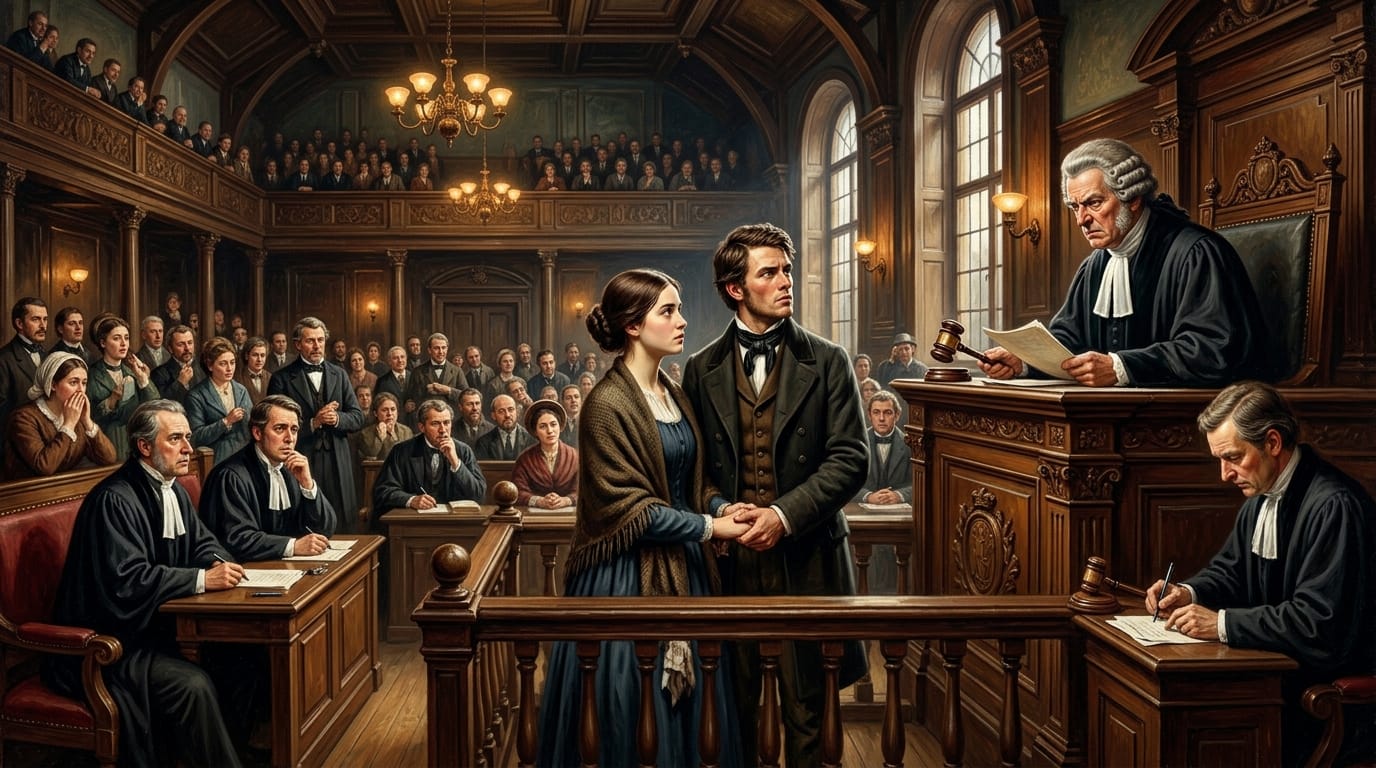
In 1837, Schumann formally asked Friedrich Wieck for permission to marry Clara and was flatly refused; over the following years, Wieck escalated his opposition, spreading damaging accusations about Schumann's character and finances and doing everything in his power to keep the couple apart, even as they continued a secret correspondence. Unable to reach any reconciliation, Robert and Clara took the extraordinary step in 1839 of petitioning the Leipzig courts directly to override her father's refusal, a bitter legal battle that dragged on for roughly a year before the court ruled in the couple's favor in the summer of 1840. Schumann poured some of the anguish of this prolonged separation into the Fantasie in C Major, Op. 17, composed in 1836 and later revised, a work he associated with his longing for Clara and dedicated, ultimately, to Franz Liszt in support of a fund to build a monument to Beethoven.
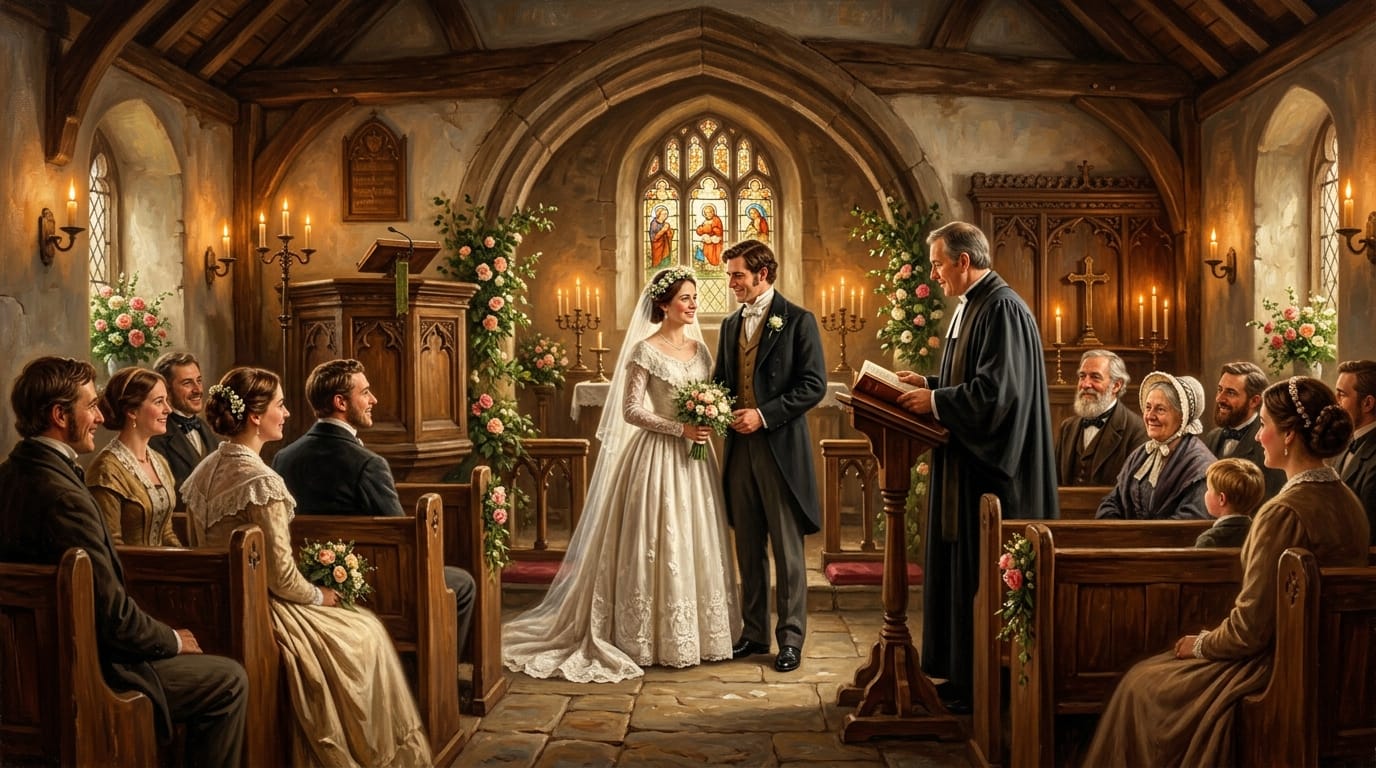
Robert and Clara Schumann married on September 12, 1840, in the village church at Schönefeld near Leipzig, one day before Clara's twenty-first birthday, finally free of her father's long opposition. That same year, seemingly unlocked by his newfound happiness and long-suppressed emotion, Schumann composed well over half of all the songs he would write in his entire life, a burst of creativity so concentrated that 1840 is still known as his "Liederjahr," or "year of song." Among the works from this single extraordinary year were the song cycles Liederkreis, Op. 24 and Op. 39, Myrthen, Op. 25 (a wedding gift for Clara), Frauenliebe und -leben, Op. 42, and Dichterliebe, Op. 48, settings of sixteen Heinrich Heine poems that remain among the most beloved song cycles ever written.

Having devoted 1840 almost entirely to song, Schumann turned his attention in 1841 to orchestral music, sketching his Symphony No. 1 in B-flat Major, Op. 38, nicknamed "Spring," in just four days that January before completing the orchestration within weeks. It premiered at Leipzig's Gewandhaus on March 31, 1841, conducted by Schumann's friend and champion Felix Mendelssohn, with Clara herself performing on the same program — a triumphant public validation of the marriage her father had fought so hard to prevent. That same year Schumann also composed the Overture, Scherzo, and Finale, Op. 52, and an early piano-and-orchestra "Fantasie" that would, several years later, become the first movement of his Piano Concerto, along with their first child, Marie, born that September.
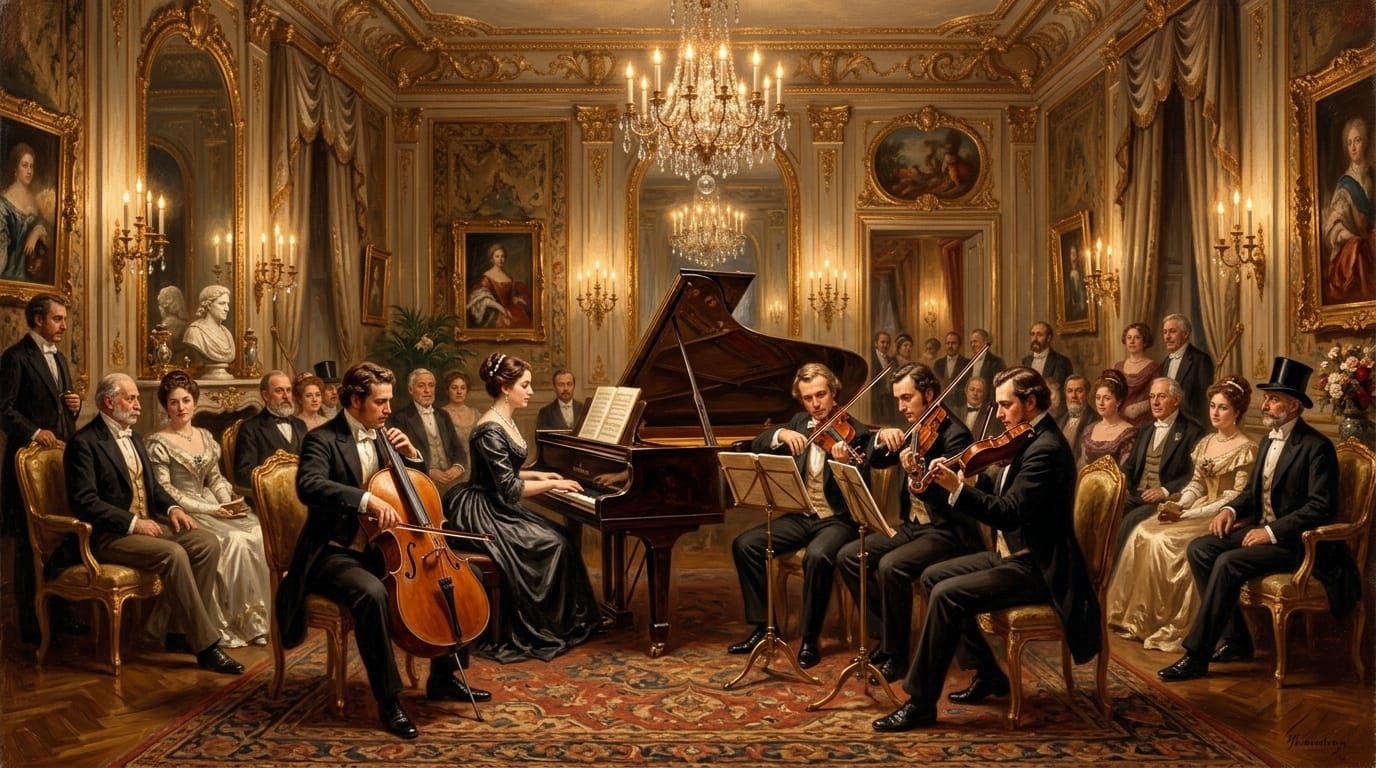
In 1842, having explored song and then orchestral music in the two preceding years, Schumann turned to chamber music, closely studying scores by Haydn, Mozart, and Beethoven before composing, in quick succession that summer, his three String Quartets, Op. 41. He followed these that autumn with the Piano Quintet in E-flat Major, Op. 44, dedicated to Clara, who performed the piano part at its private premiere that December, and the Piano Quartet in E-flat Major, Op. 47 — a concentrated, almost systematic exploration of chamber genres that music historians still refer to as Schumann's "chamber music year."
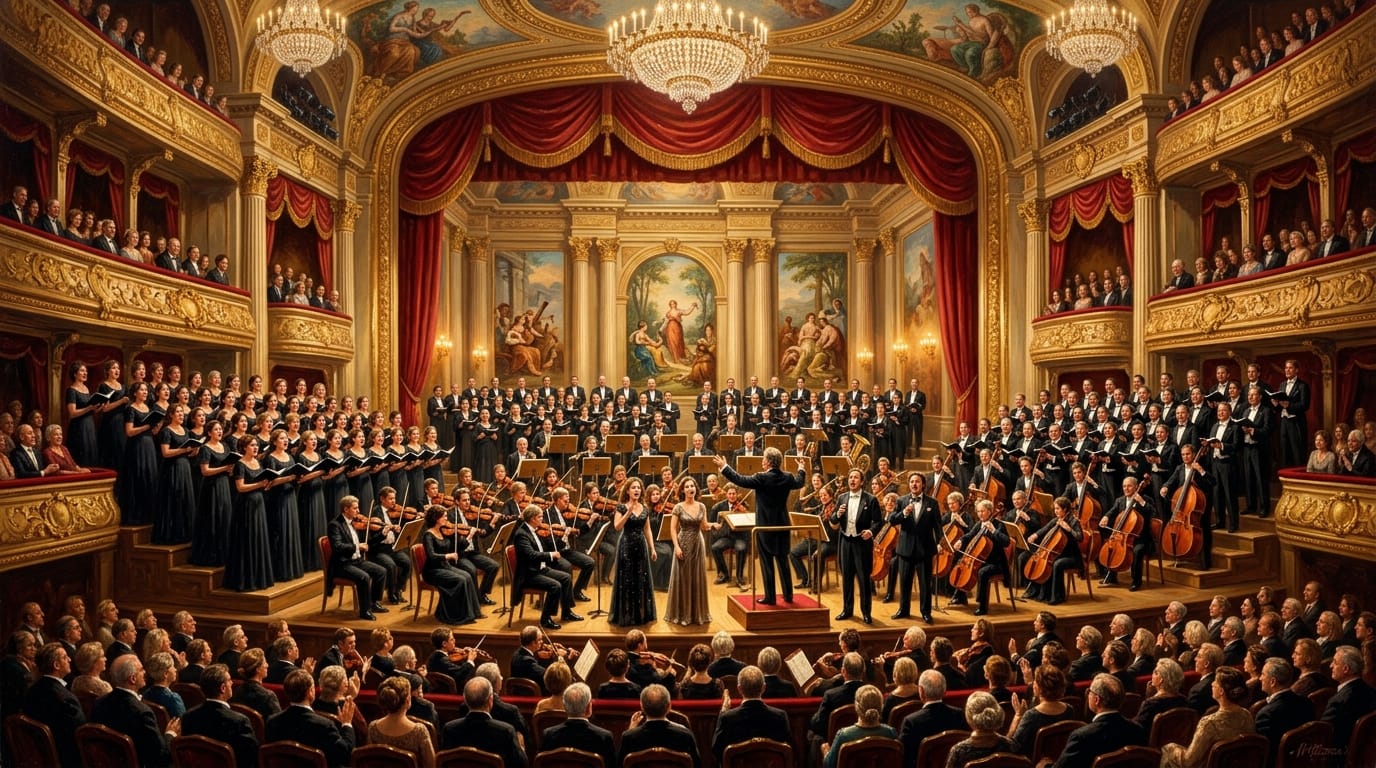
Early in 1843, Schumann suffered a severe bout of the anxiety and nervous illness that had periodically troubled him since his twenties, though he recovered sufficiently by later that year to complete Das Paradies und die Peri, Op. 50, a large-scale secular oratorio based on an episode from Thomas Moore's exotic verse-romance "Lalla Rookh." Its premiere at the Leipzig Gewandhaus on December 4, 1843, was an enormous public success, arguably the greatest of Schumann's career to that point, establishing him as a serious composer for large ensembles beyond the piano and song. That same year, Felix Mendelssohn invited Schumann to join the faculty of the newly founded Leipzig Conservatory, teaching piano, composition, and score-reading.

In early 1844, Clara undertook an extended and demanding concert tour of Russia, with Robert accompanying her; though the tour was a considerable artistic and financial success, bringing them into contact with figures like the composer Mikhail Glinka, it left Robert physically and mentally drained, and his symptoms — insomnia, tremors, anxiety, and disturbing sounds in his ears — worsened noticeably afterward. By the end of 1844 he had sold the Neue Zeitschrift für Musik, and the family relocated from Leipzig, where Mendelssohn's towering presence had come to feel oppressive to Robert, to the quieter city of Dresden, hoping the change of scene would aid his recovery.

Schumann's only opera, Genoveva, Op. 81, premiered in Leipzig on June 25, 1850, conducted by the composer himself; though respectably received, it never became a repertory staple, caught, as one assessment later put it, between audiences wanting more conventional melody and progressive critics wanting something bolder. That same year, Schumann accepted the post of municipal director of music in Düsseldorf, moving his family there that September to take charge of the city's orchestra and choral concerts. Inspired by his new surroundings along the Rhine — including a visit to Cologne Cathedral, where he witnessed the ceremonial elevation of the local archbishop to cardinal — Schumann quickly composed his Symphony No. 3 in E-flat Major, Op. 97, nicknamed the "Rhenish," an unusually joyful, five-movement work that remains one of his most beloved orchestral compositions.
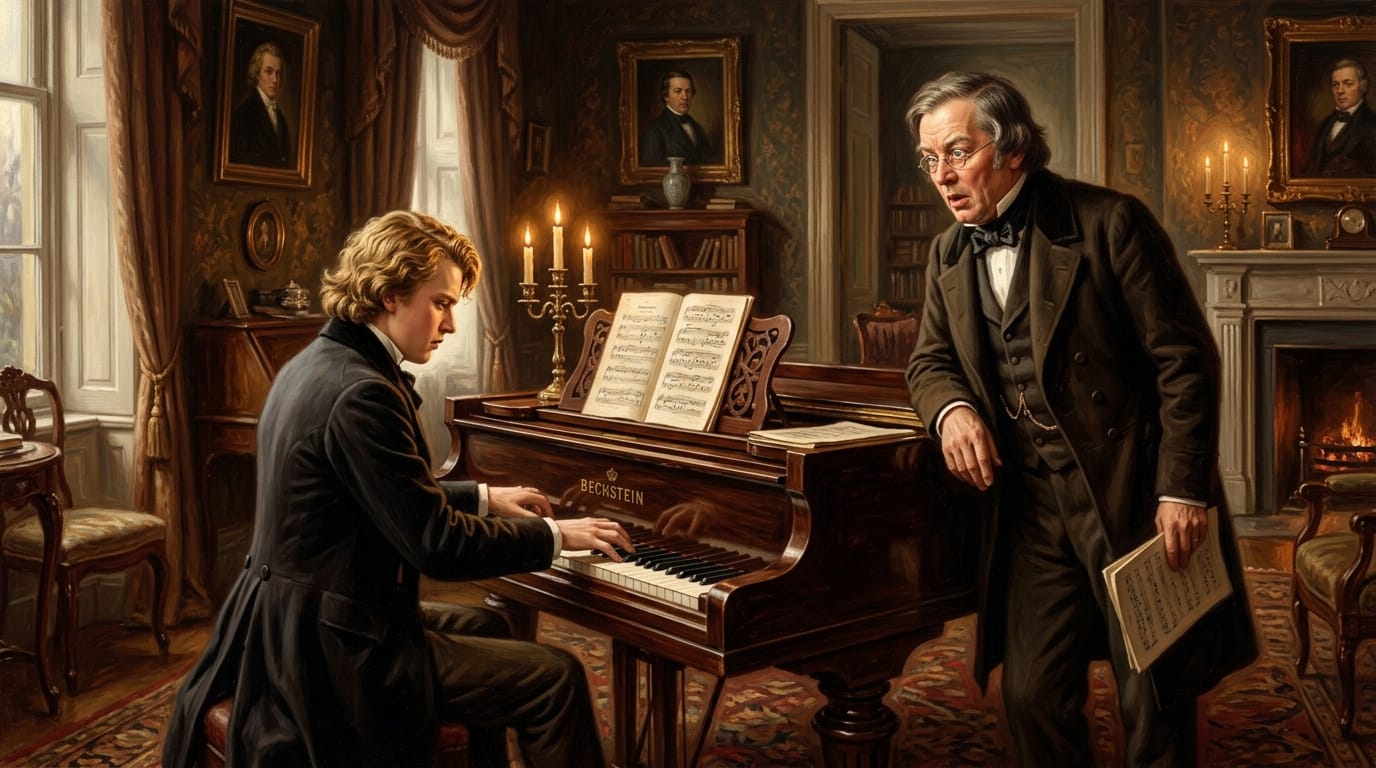
In September 1853, an unknown twenty-year-old composer named Johannes Brahms arrived at the Schumanns' Düsseldorf home carrying a letter of introduction from the violinist Joseph Joachim, and played some of his own piano compositions for Robert and Clara. Schumann was reportedly so astonished by what he heard that he interrupted the audition to fetch Clara so she could listen as well, and shortly afterward he published what would be his last major piece of music criticism, an article titled "Neue Bahnen" ("New Paths") in the Neue Zeitschrift für Musik, proclaiming the young, virtually unpublished Brahms destined to give "ideal expression to the times." The endorsement, remarkable for its confidence in a composer who had barely begun his public career, launched Brahms's reputation almost overnight and began a close friendship between Brahms and the Schumann family that would prove crucial in the difficult years ahead.
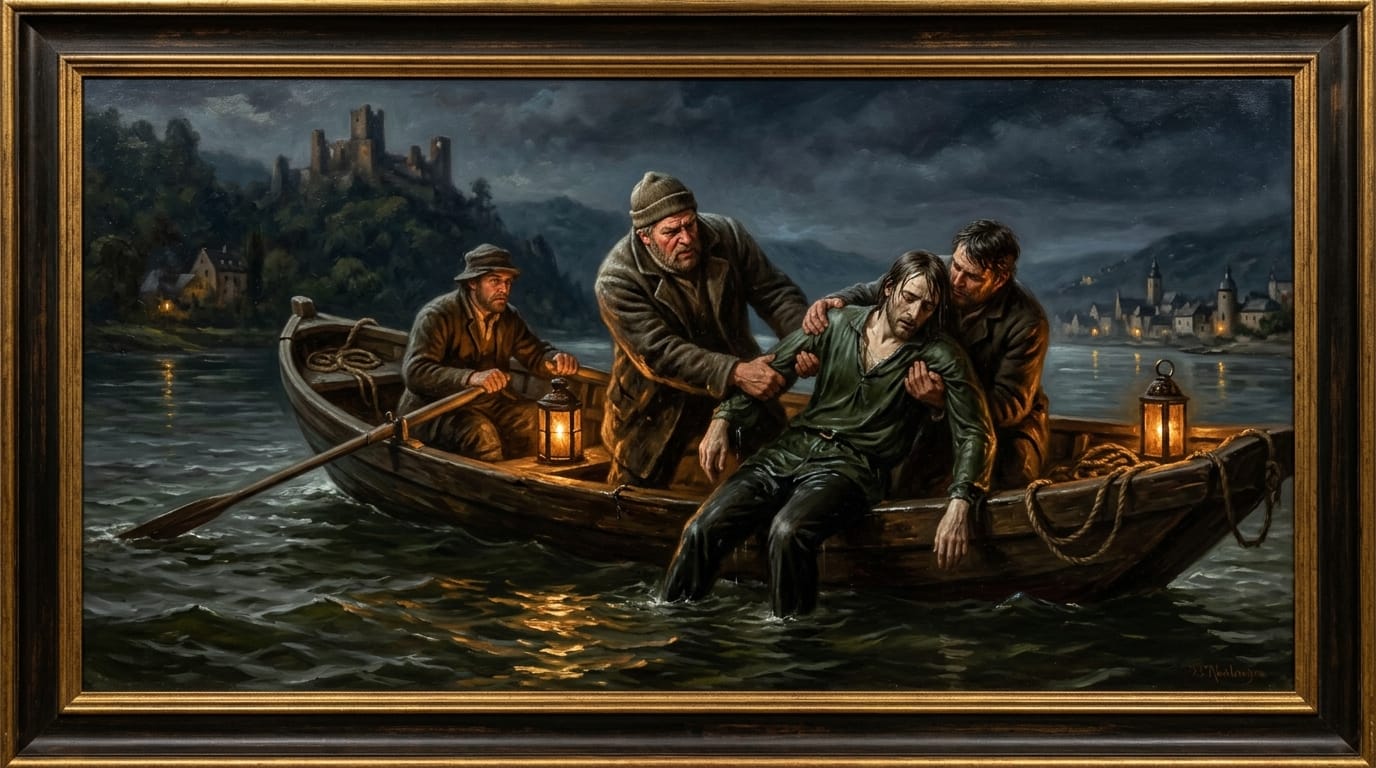
By early 1854, Schumann's mental health, which had been fragile for years, collapsed dramatically; he reported hearing persistent tones and, at times, voices, and suffered from overwhelming anxiety and disordered thought. On February 27, 1854, in the grip of an acute crisis, he left his house and threw himself from a bridge into the Rhine; he was rescued by boatmen and brought home, badly shaken but alive. Days later, on March 4, 1854, at his own request, he was voluntarily admitted to a private psychiatric sanatorium at Endenich, near Bonn, run by Dr. Franz Richarz, beginning what would become the final chapter of his life.
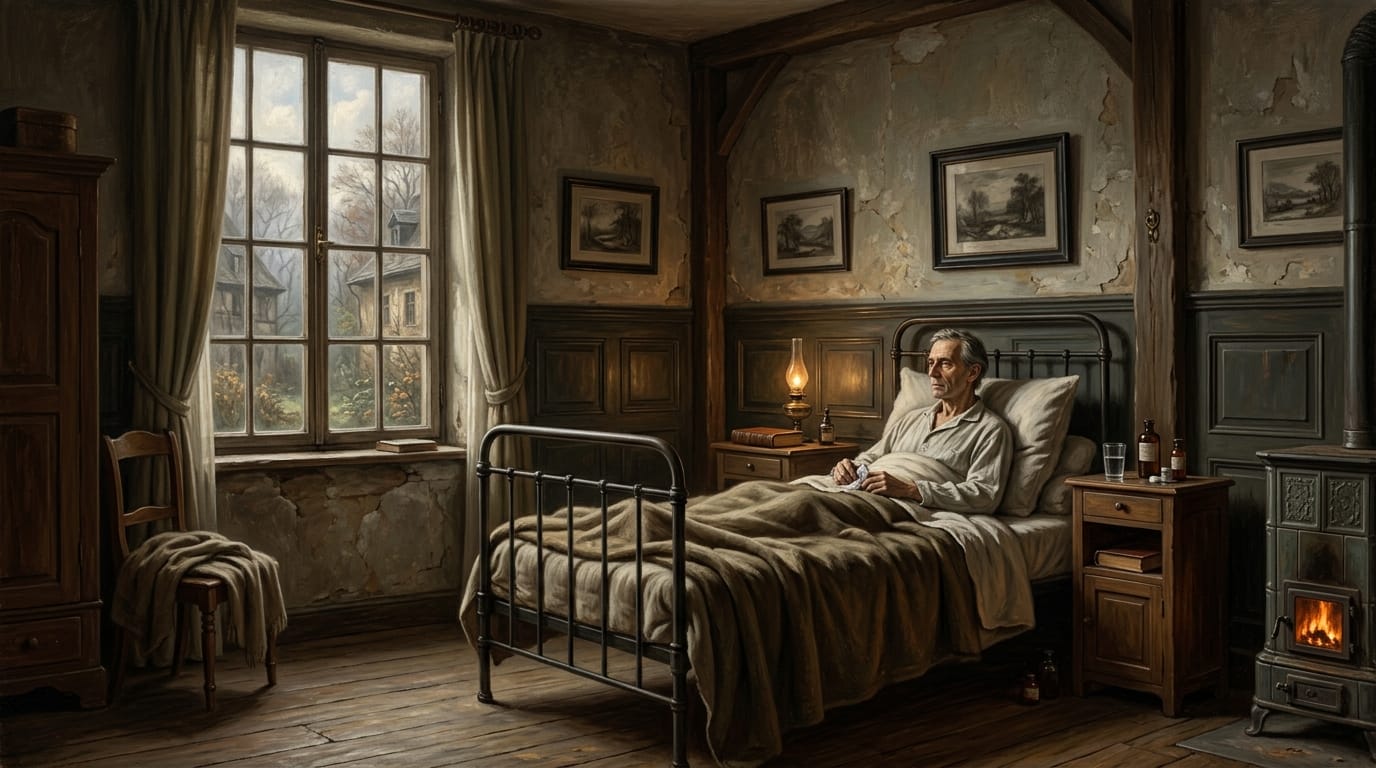
Robert Schumann remained at the Endenich sanatorium for more than two years, experiencing periods of relative calm interspersed with severe decline, largely cut off from direct contact with Clara on his doctor's orders. On July 27, 1856, Clara was finally permitted to visit him for the first time since his admission; he was by then extremely weak but seemed to recognize her. He died two days later, on July 29, 1856, at the age of forty-six, with his exact cause of death — and indeed the underlying nature of his long illness — still debated by historians and medical scholars today. Johannes Brahms was present in Endenich in the final days and helped support Clara through the funeral and its aftermath.
Curated Collections
The Masterpieces
Explore Schumann's greatest works, categorized by genre.
Symphonies
Major Piano Cycles
Piano Miniatures & Character Pieces
Song Cycles & Lieder
Chamber Music: Quartets, Quintet & Trios
Chamber Music: Sonatas & Fantasy Pieces
Concertos & Orchestral Showpieces
Choral & Dramatic Works
Every Known Work
The Complete Catalog
Every one of Schumann's 125 known compositions, organized by type. Tap a category to open it, or search for a piece by name.